Ask for the manufacture date when reading smart-device rules
Keep manufacture date and product scope visible when reading Australia's smart-device security guidance.
Updated:
Purchase date alone does not establish the scope
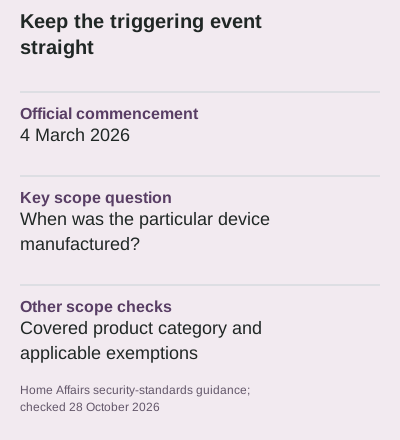
Home Affairs says Australia's smart-device security rules commenced on 2026-03-04 and describes their scope by manufacture date: most covered consumer devices manufactured on or after that date must meet the minimum standards. Products manufactured before that date are not required to comply under that scope statement, and exemptions also exist. A receipt dated after commencement therefore does not by itself establish which requirements apply to a particular item. This page is a documentation-reading guide, not legal advice or a compliance assessment for any device. Follow the official source for the complete current rules and exemptions.
Home Affairs smart-device security rules scope ? Australian Cyber Security Centre device buying guidance ?
Keep four dates in separate fields
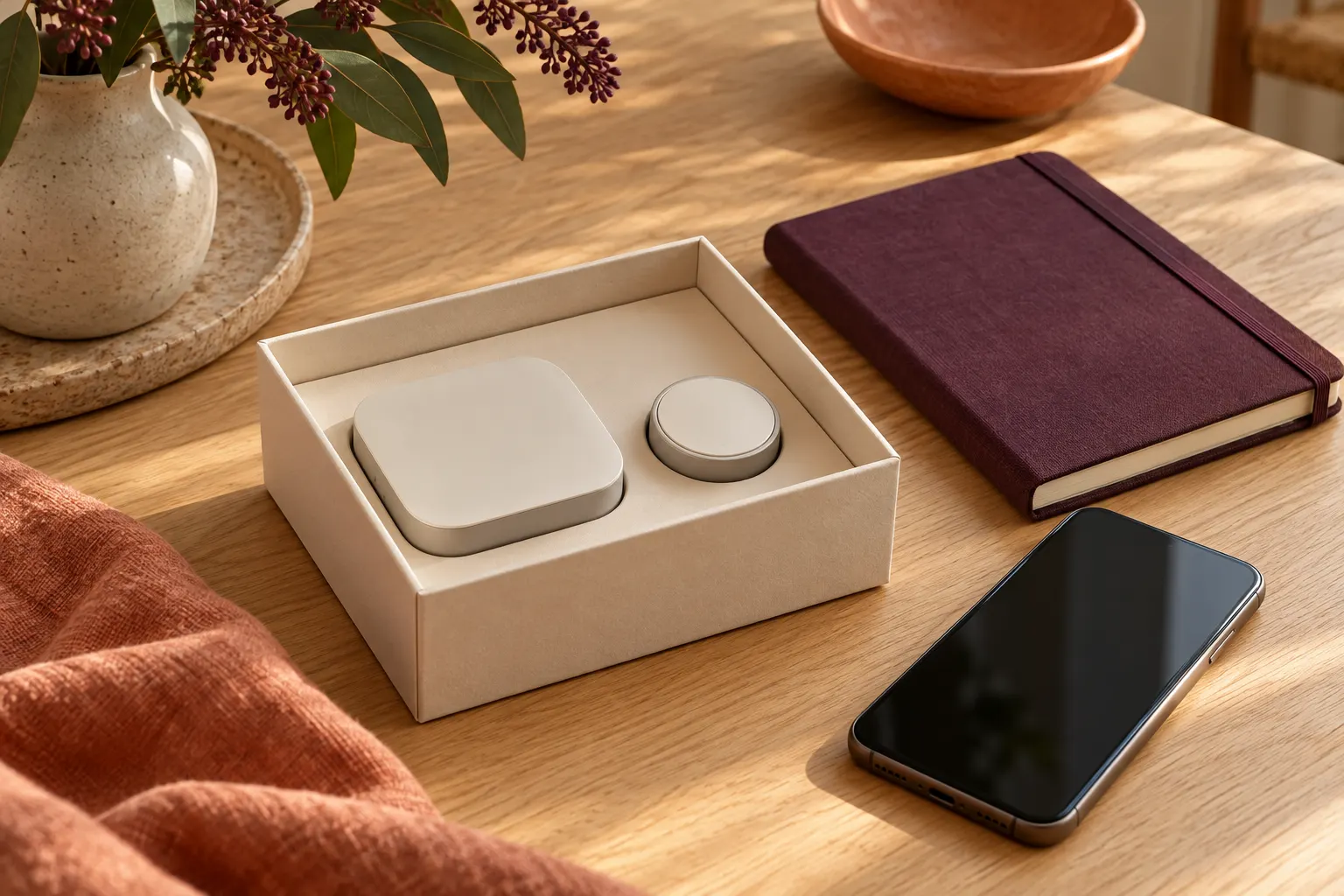
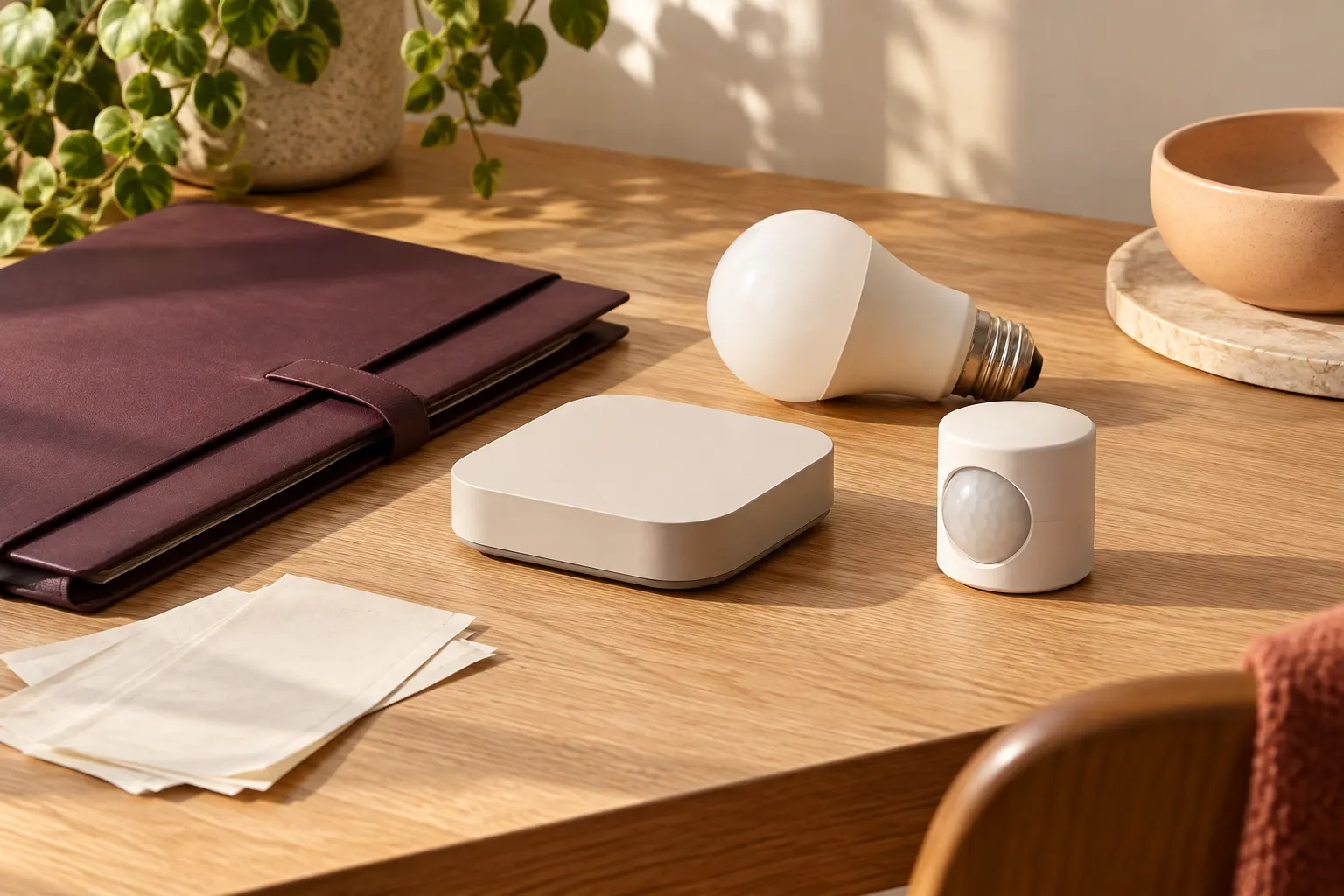
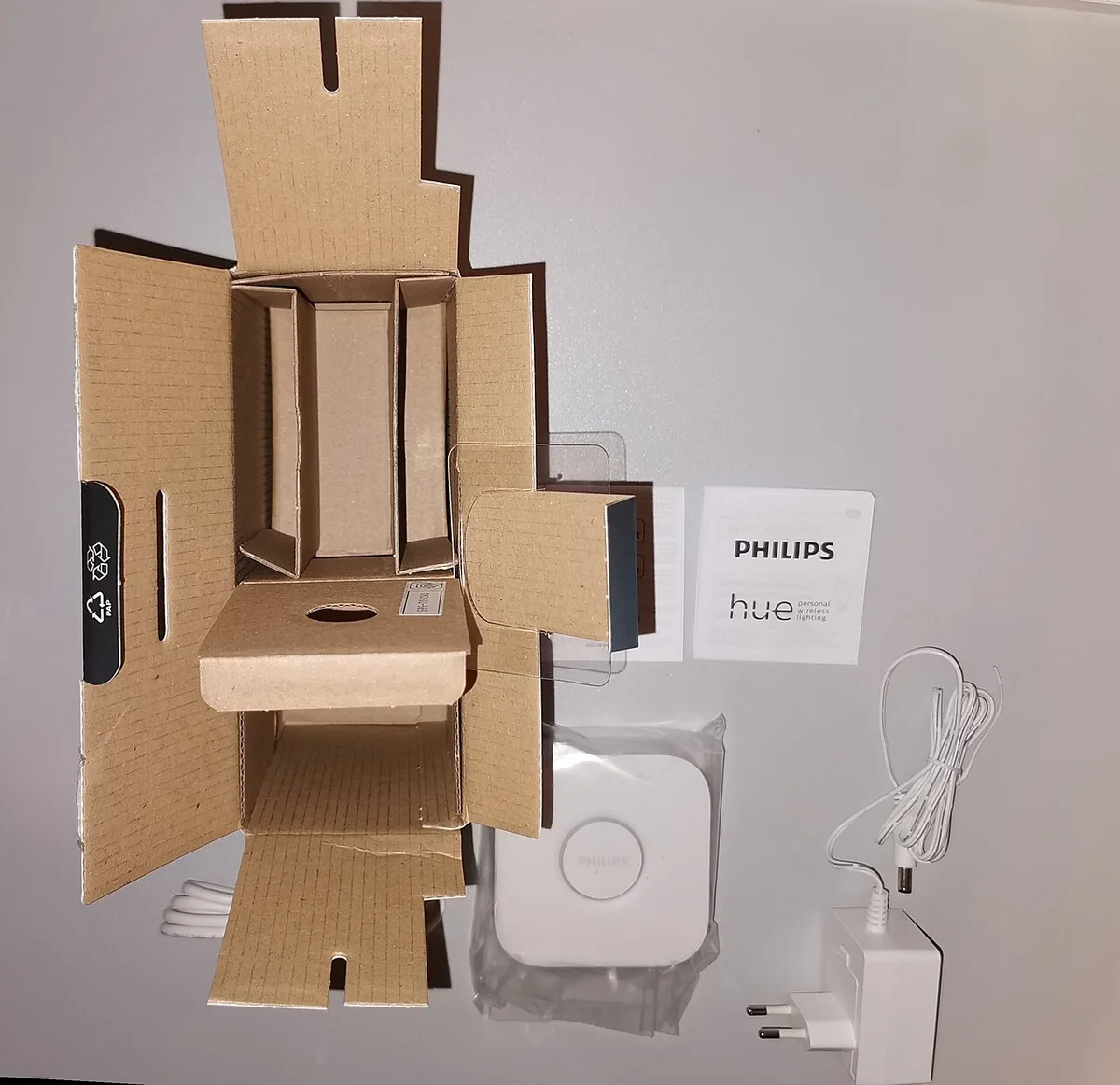
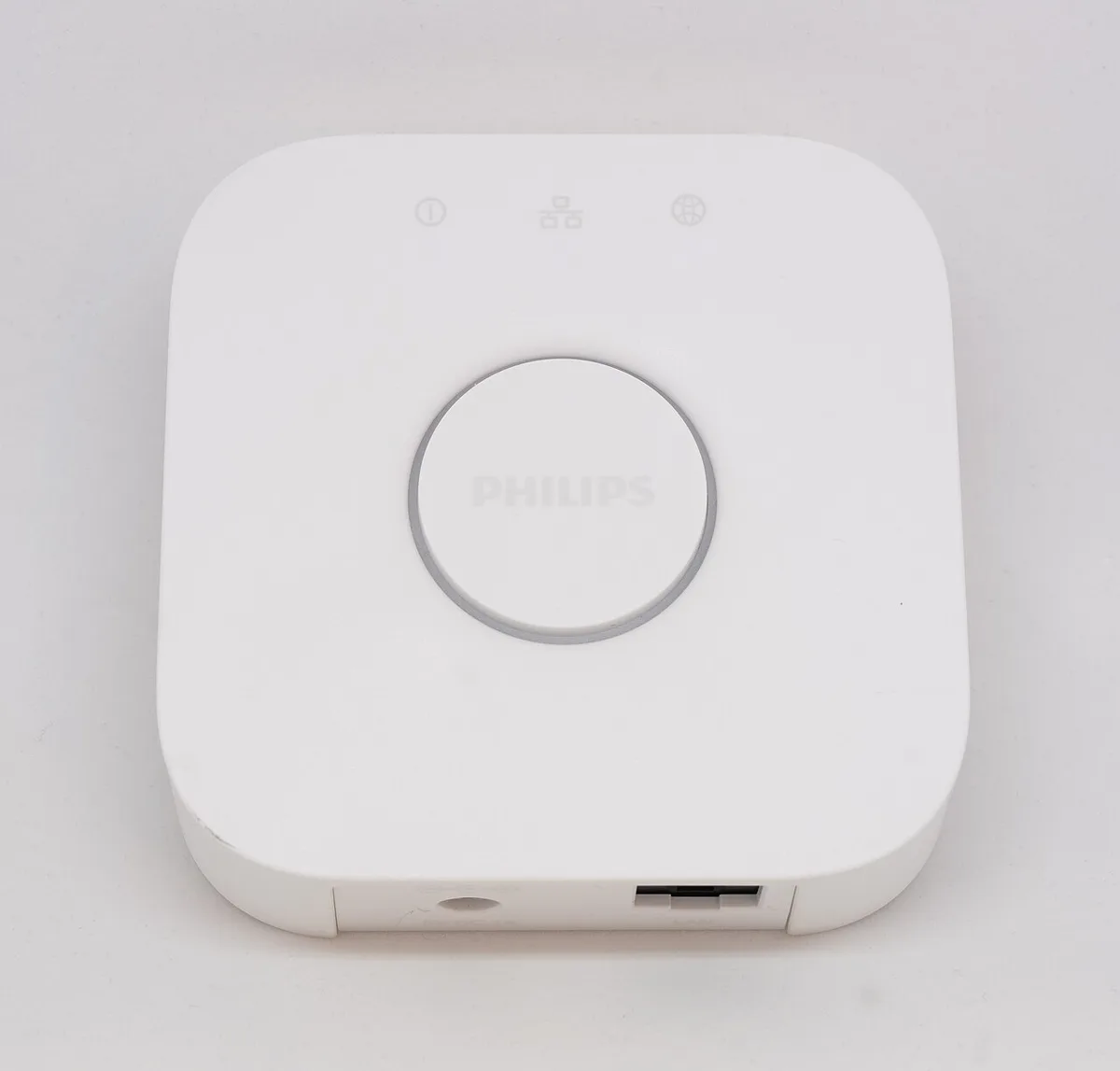
Give the purchase record distinct fields for manufacture date, purchase date, the date you reviewed the guidance and any published support end date. They describe different events. If the manufacturer or seller cannot identify the manufacture date for the supplied unit, record it as unknown rather than copying the order date into that field. The unpacked Bridge photograph shows where product and packaging records can be kept together, but it does not prove a manufacture date. The archived controller photographs similarly establish no compliance status, even if their physical forms remain familiar in current product discussions.
Compare two explicitly fictional records
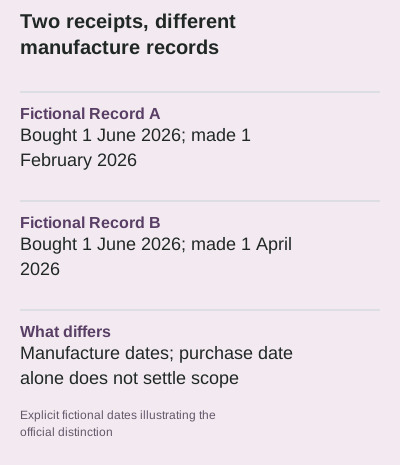
Imagine two otherwise unspecified devices purchased on 2026-06-01. Record A says manufactured 2026-02-01; record B says manufactured 2026-04-01. Both purchases occur after 4 March, while the stated manufacture dates fall on different sides of commencement. This illustrates why the purchase date alone cannot answer the scope question. It does not determine whether either fictional product belongs to a covered category, satisfies an exemption or complies with a requirement. Those additional questions still require the actual product details and the official rules, rather than an automatic pass or fail generated from a date comparison.
Collect product-specific security information
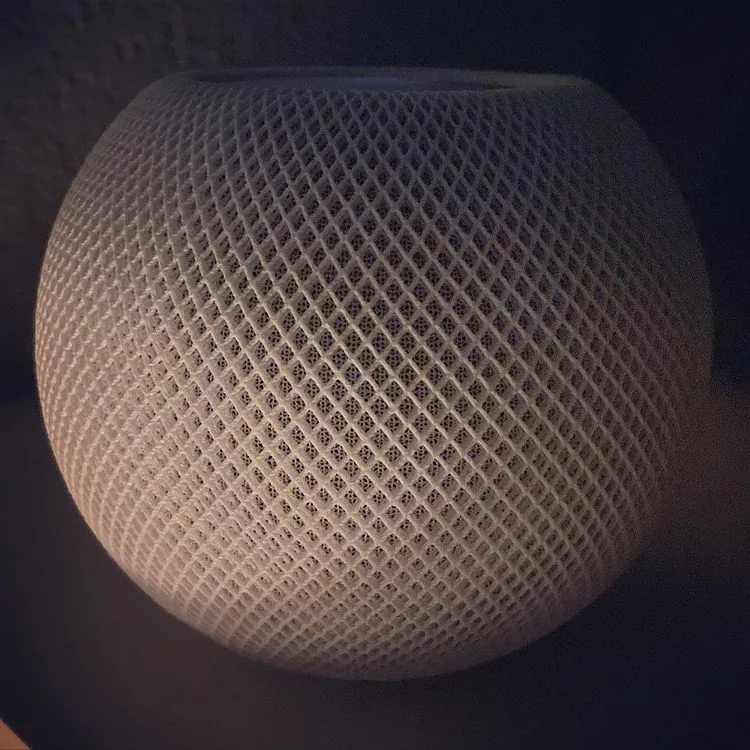
Use the exact model and regional generation to find the manufacturer's support-period statement and security reporting route. Keep the relevant documentation link and review date alongside your record. General cybersecurity buying guidance can help frame questions about passwords, updates and data handling, but a broad checklist is not evidence that a particular product implements every feature well. The HomePod photograph depicts a controller on a shelf, not an audit of its settings or software. A device's appearance, brand familiarity or successful pairing cannot substitute for a documented support commitment or an appropriate product-specific review.
Leave uncertainty visible before a purchase
A useful shortlist distinguishes an identified unit from a generic listing and a verified date from a seller's unresolved answer. If scope or documentation remains uncertain, preserve the question and use the official Home Affairs resources rather than declaring a product compliant or noncompliant yourself. Keep the full rule text and exempted-product information accessible, as a short buying article cannot resolve every classification or individual circumstance. This approach gives you a reproducible evidence trail for a purchasing question. It makes no promise of absolute security, continued cloud service, legal compliance or a particular remedy if a later problem arises.
Open official model documentation ? Open official model documentation ?