Compare the whole smart-room quotation in Australian dollars
Compare complete Australian smart-room quotations without overlooking hubs, accessories or delivery.
Updated:
Compare the whole package at the same scope
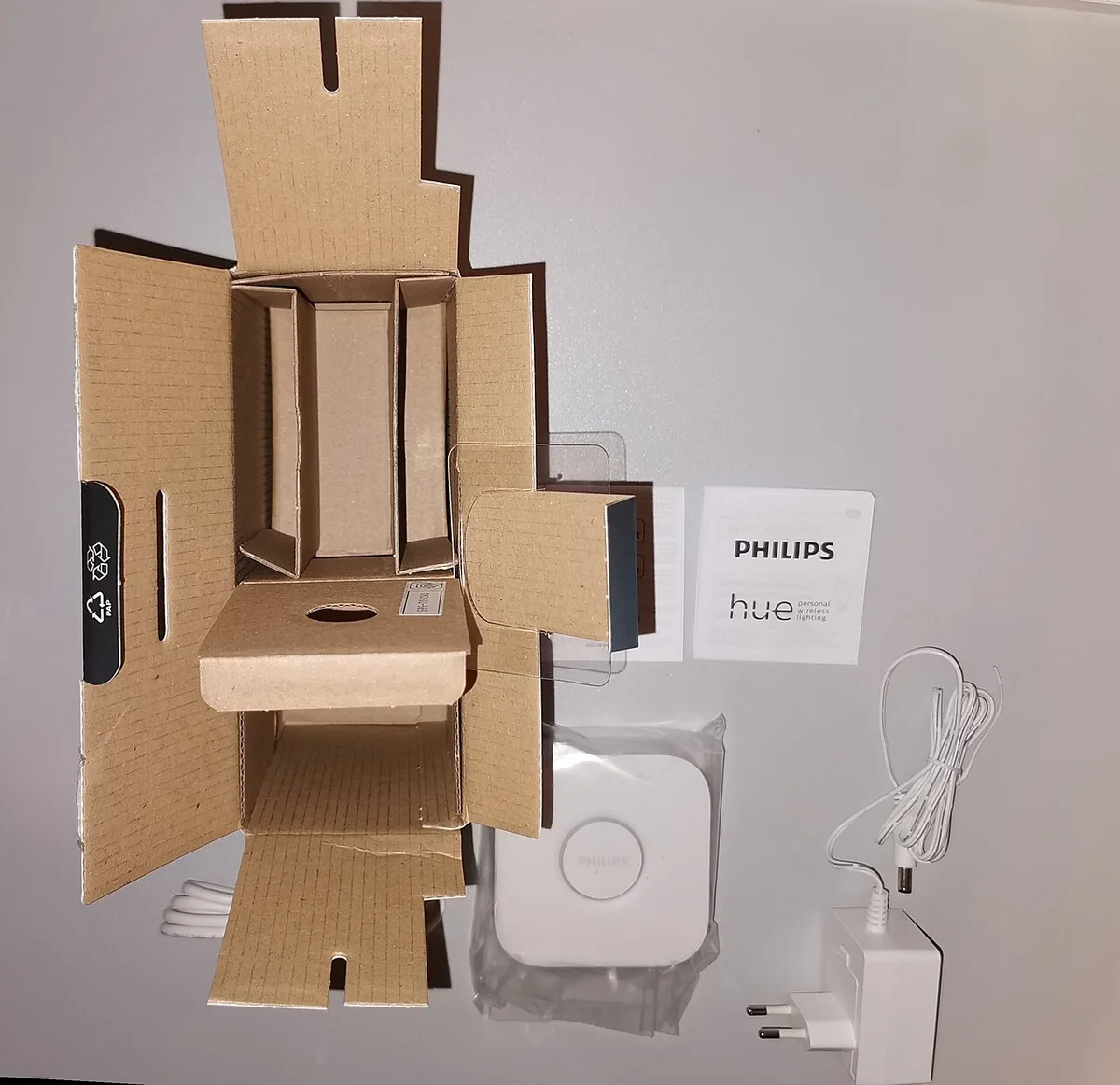
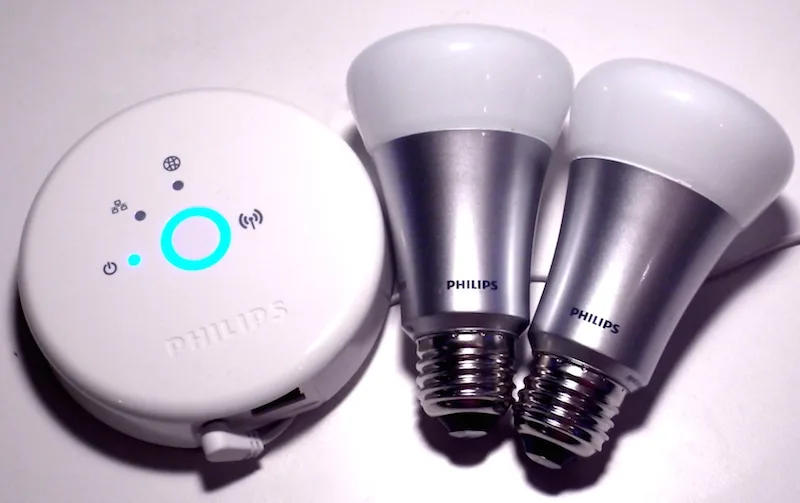
A useful smart-room comparison includes the devices, required controller or hub, controls and delivery in one Australian-dollar total. A low bulb price is not the complete price when a separate hub is needed for the intended functions. ACCC guidance explains that consumer prices include taxes and unavoidable or preselected fees. Keep the seller's actual quotation and its conditions together. This article offers a scope worksheet and fictional arithmetic, not a live offer or determination of a seller's compliance. The archived kit photograph shows separate system components, rather than confirming what a current Australian seller includes.
ACCC price display guidance ? Hue AU Bridge 8719514342569 ?
Write a bill of materials before comparing shops
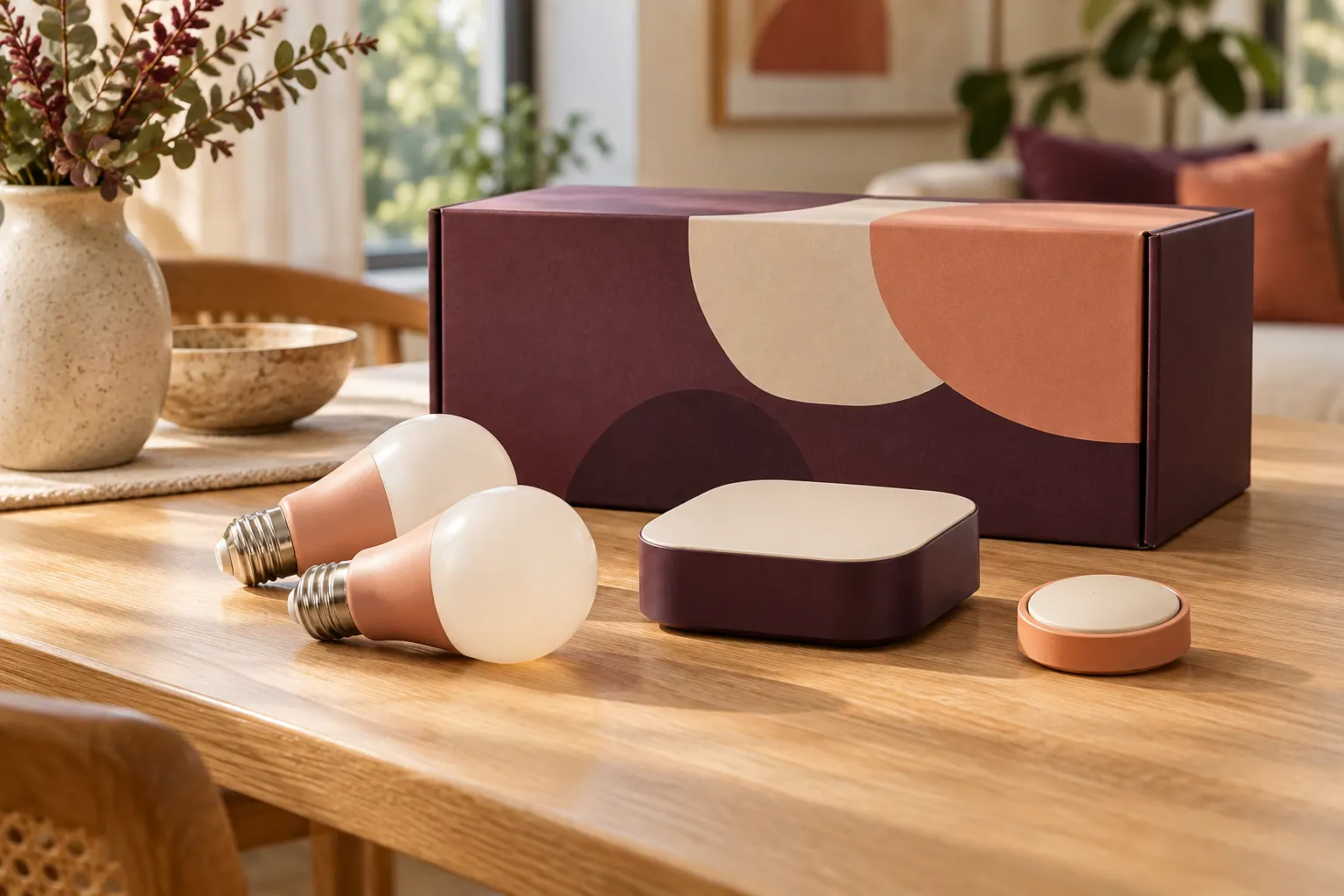
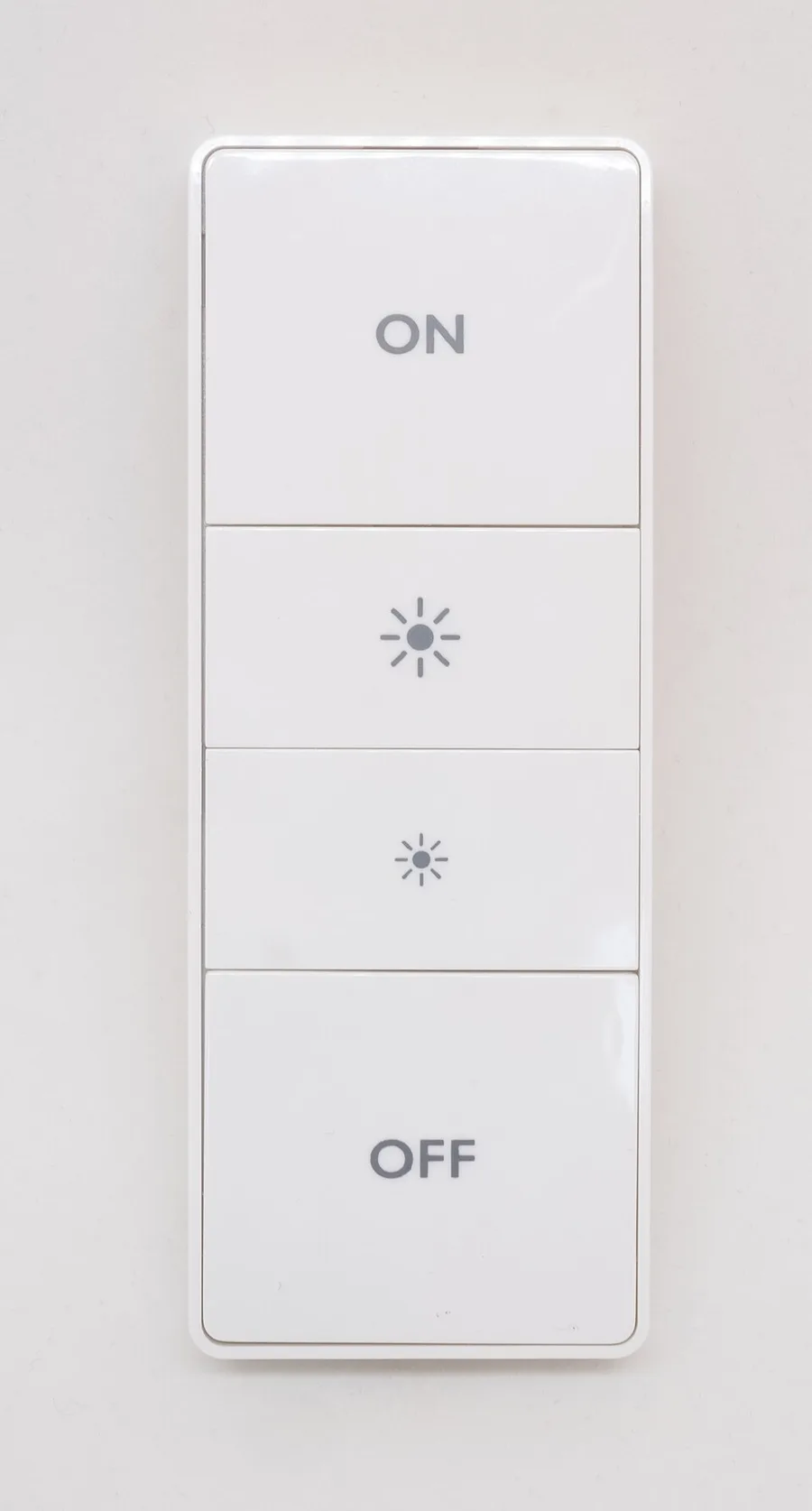
Name the exact regional model and quantity for every line. Separate items already owned from new purchases, and distinguish confirmed included accessories from assumptions. The documented Hue Bridge example supports 50 lights and 12 accessories, but capacity is not evidence that every proposed device works with it. A compatible device list must come from the relevant model documentation. Keep that architecture question separate from the quotation total. The photograph of a wireless dimmer illustrates a separate control that may or may not be included in a particular package; it should never silently appear as a free accessory.
Complete a fictional delivered-total calculation
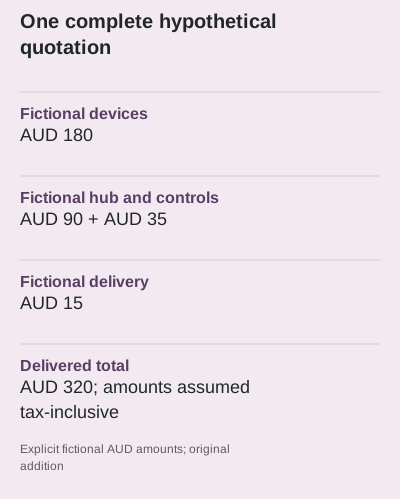
For a clearly fictional quotation, assume lights and sensors total AUD 180, a required hub AUD 90, additional controls AUD 35 and delivery AUD 15. Assume these seller-style example amounts already include applicable taxes and that no other mandatory fee is missing. The total is 180 + 90 + 35 + 15 = AUD 320. Do not add another tax percentage on top of amounts defined as tax-inclusive. The delivered-total tool uses the same four fields and addition. These numbers illustrate the method only; they are not current market prices, a budget recommendation or evidence that particular products are available.
Compare an alternative without hiding a scope change
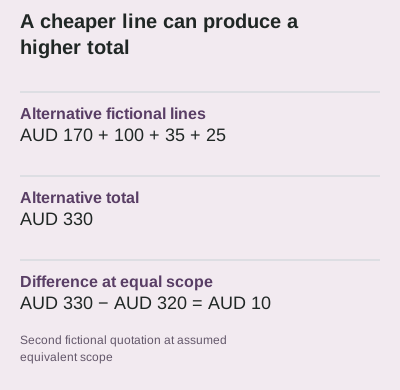
Suppose a second fictional seller quotes AUD 170 for the devices, AUD 100 for the hub, AUD 35 for the controls and AUD 25 delivery. The complete total is AUD 330, which is AUD 10 more than the first example despite the cheaper device line. That difference matters only if the regional models, quantities, included equipment and delivery conditions are equivalent. An omitted hub, different product generation or unconfirmed postcode charge means the quotations are not yet comparable. Mark those differences rather than ranking incomplete totals as if each would deliver the same finished room.
Keep the quote and the purchase evidence together
Save the quote date, postcode terms, seller, exact models and what each line includes. The archived packaging photograph contains a European adapter; it is a concrete reminder that a box photograph is not proof of Australian package contents. Keep any electrical work outside this product-and-delivery calculation and seek an appropriate separate scope where needed. A free-delivery assumption belongs in the worksheet only after confirmation, not as a blank cell converted to zero. The final comparison should show a complete stated total and the open questions that could change it, allowing a decision to follow the actual offer instead of an attractive partial price.
Open official model documentation ? Open official model documentation ?