Read a motion-sensor range as a test condition to check
Read the Tapo T100's stated range and dimensions without treating a maximum-distance figure as complete room coverage.
Updated:
A maximum distance is not a room-coverage certificate
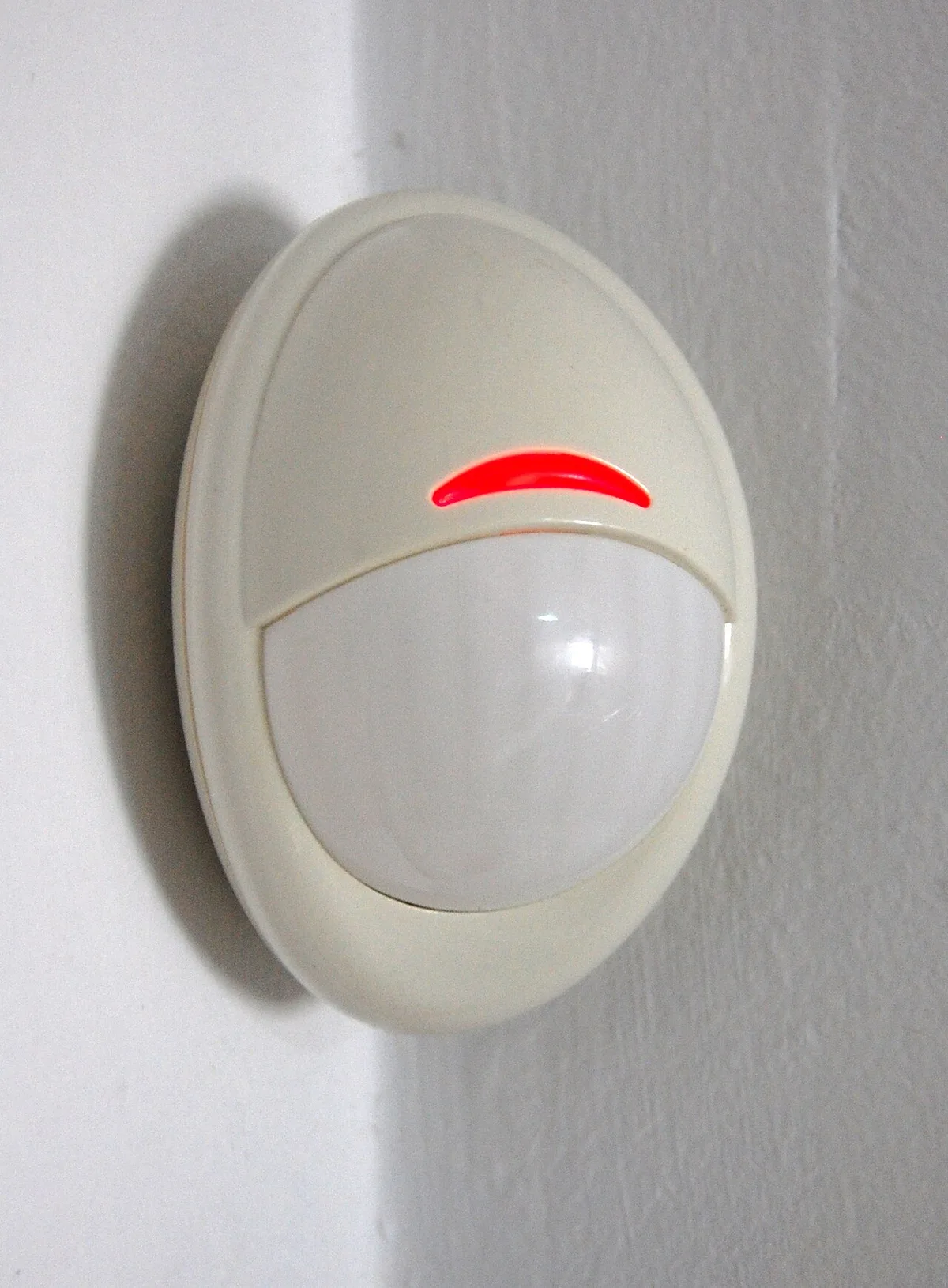
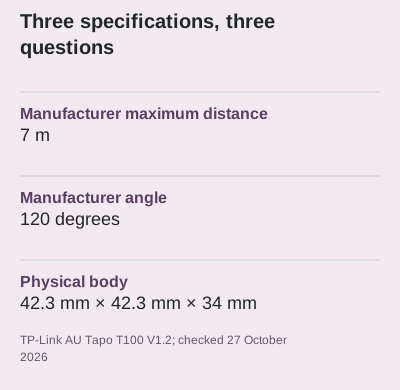
TP-Link's Australian Tapo T100 V1.2 page lists a maximum detection distance of 7 m and a 120-degree detection angle. Those are manufacturer specifications, not a test result for your hallway. They should guide the questions you ask about the actual installation and settings, rather than produce a claim that every point inside a drawn sector will be detected. The Visonic photograph shows the visible lens of a different passive infrared detector. It helps identify the kind of physical sensing feature involved, but it does not verify the Tapo model's stated range.
Keep the room sketch and product dimensions together
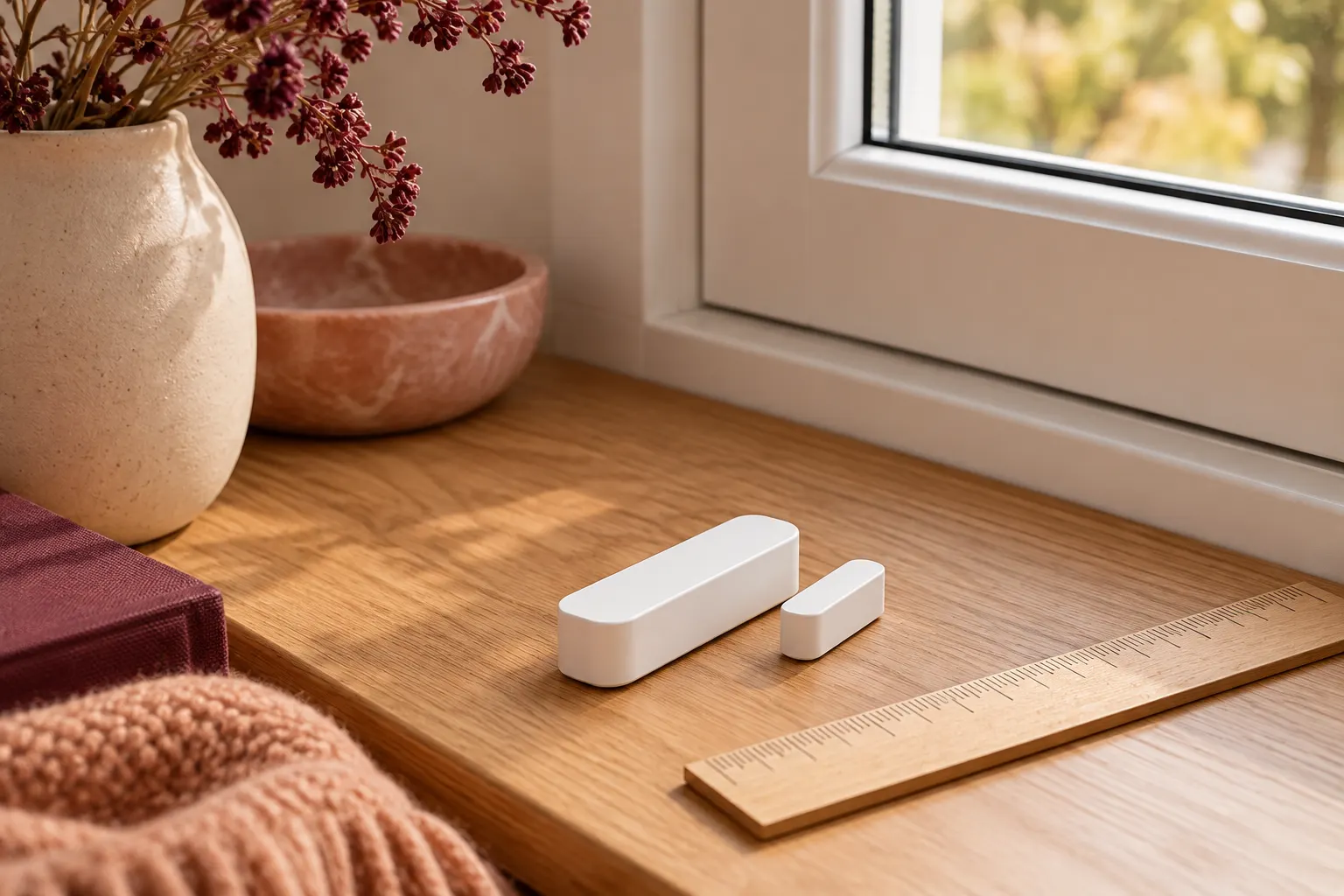
The T100 body is documented as 42.3 mm high, 42.3 mm wide and 34 mm deep. Those dimensions answer a physical-placement question distinct from detection distance. On a room sketch, record the proposed location, relevant doorway or movement route and obstructions that need consideration under the actual instructions. Do not use the 7 m figure to skip those details. A body that occupies little wall space can still be in an unsuitable sensing position, and a convenient position does not establish the correct angle or reliable detection under all conditions.
Compare a route without inventing a guarantee
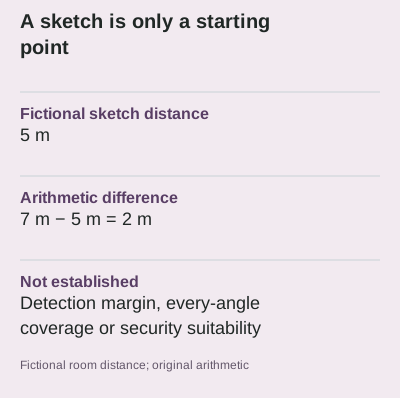
For a fictional example, a relevant point lies 5 m from a proposed position on the sketch. Subtracting that from the advertised 7 m maximum gives a 2 m arithmetic difference. It does not create a guaranteed detection margin. The maximum may depend on conditions, and the direction, environment, settings and actual behaviour still matter. Conversely, a point beyond a published maximum should not be represented as covered without supporting evidence. The practical result of the sketch is a list of locations and conditions to verify through the manufacturer's supported setup process, not a finished security design.
Match the event you need, not just the word sensor
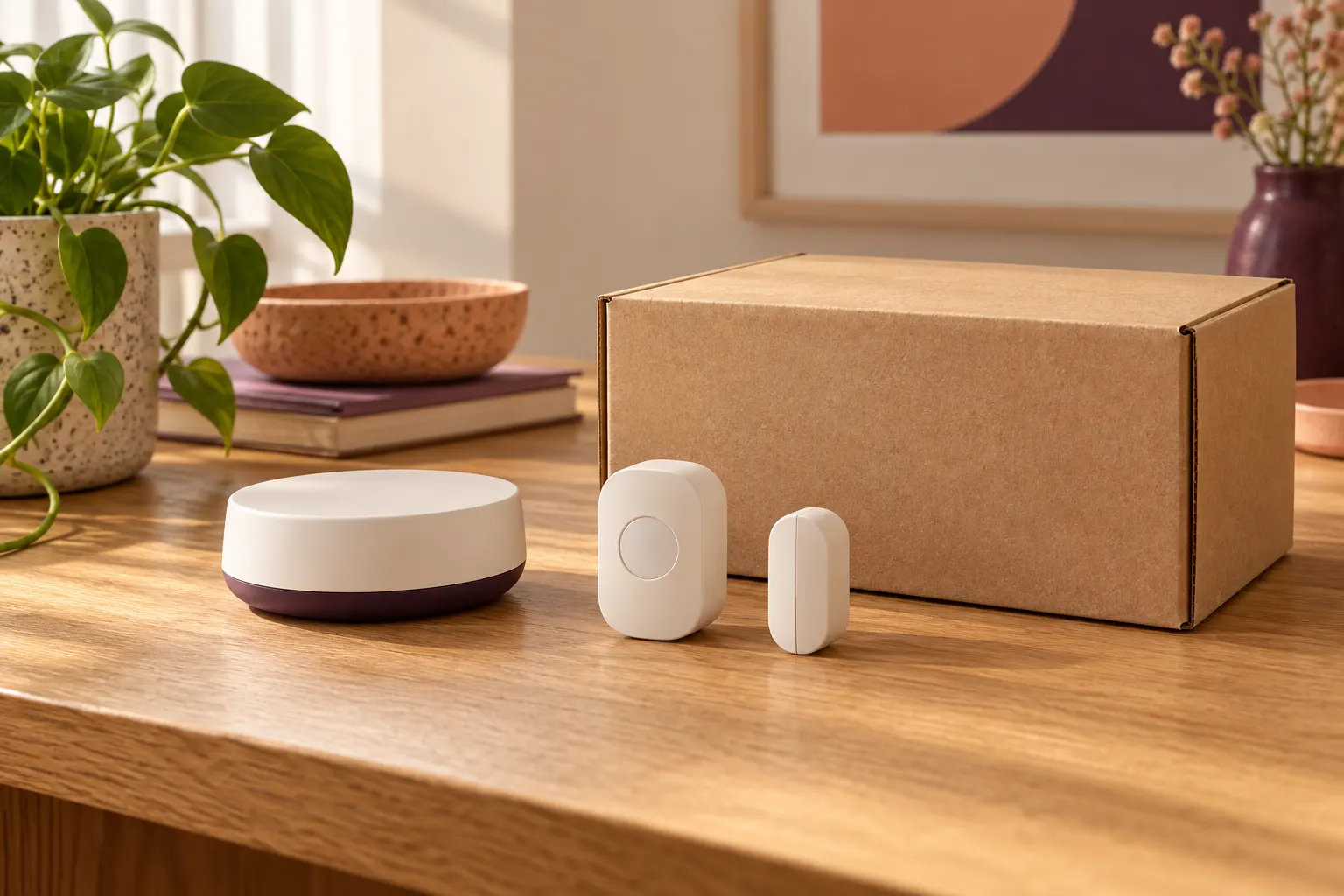
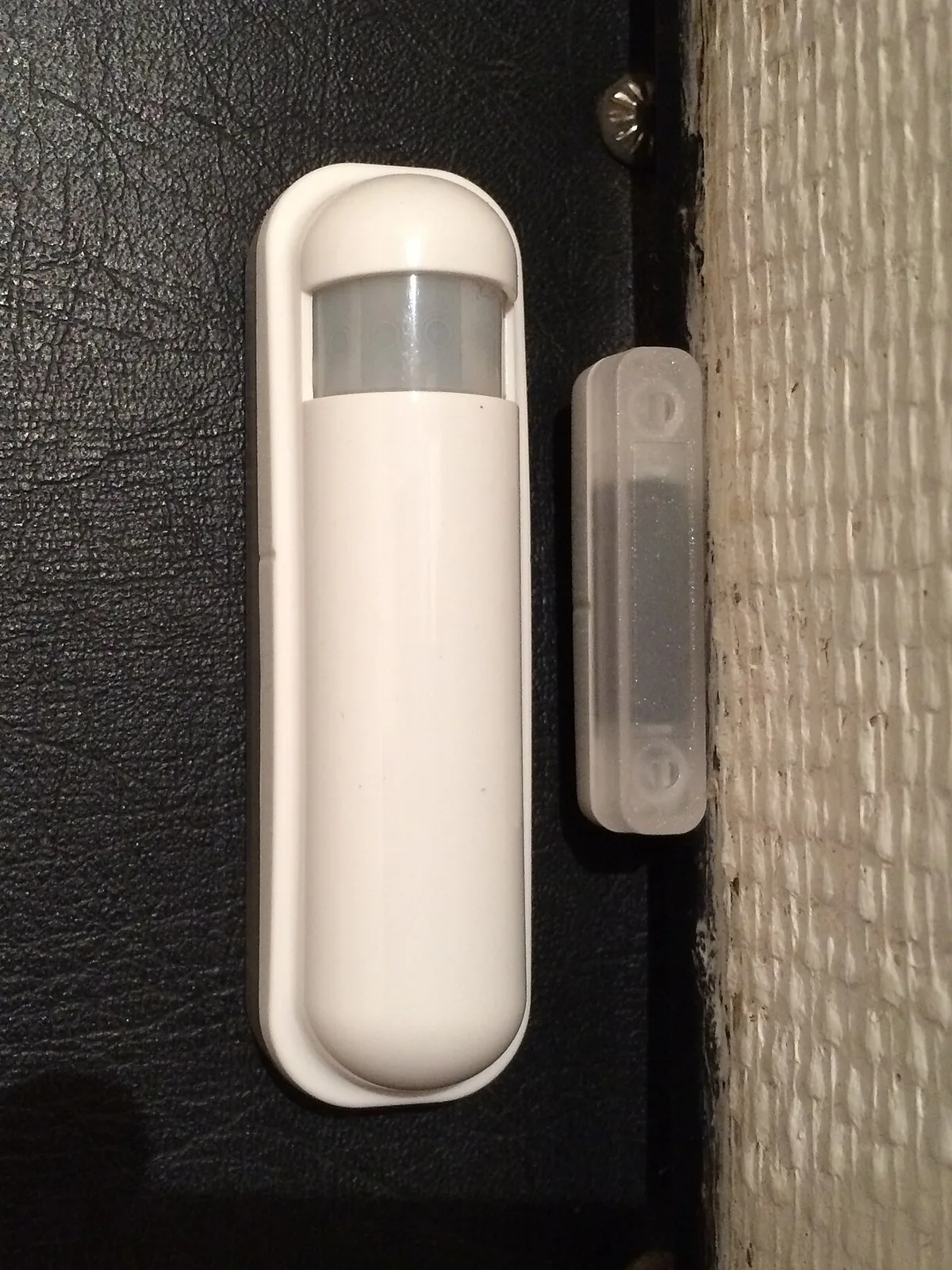
Motion detection and opening detection are different tasks. An opening-contact device can describe a door's state, while a motion detector responds to movement under its documented sensing method. The archived combined door unit illustrates why one enclosure can contain more than one function; it is not the Tapo T100 and does not establish interchangeable behaviour. State the event you want the automation to respond to before comparing devices. Do not describe an ordinary convenience sensor as a replacement for a required alarm, life-safety system or professional security assessment.
Plan the supporting equipment and a review record
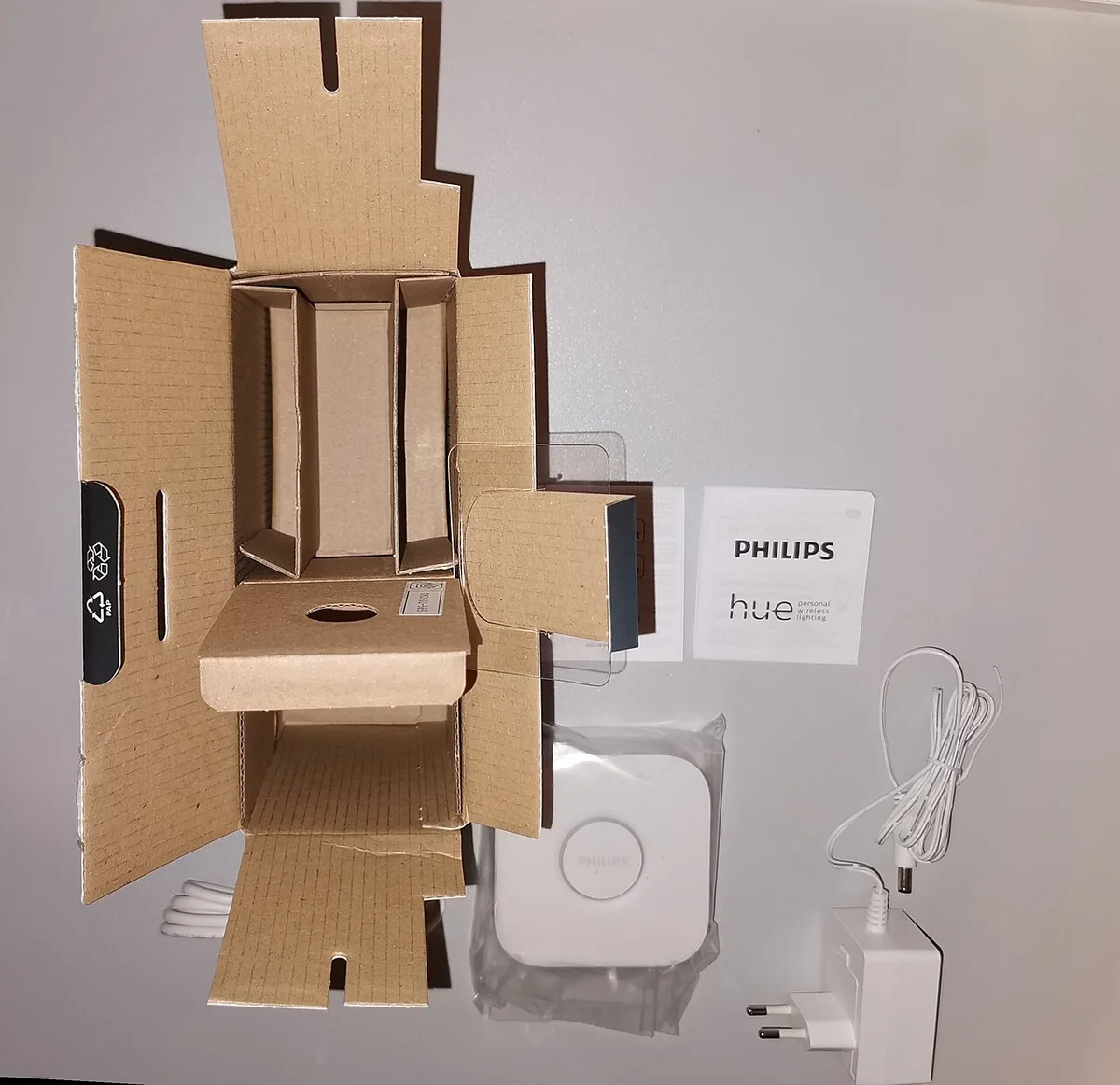
The T100 AU page also says a hub is required and identifies the regional model's radio specification. Keep those requirements alongside the room sketch rather than buying a sensor body in isolation. The archive unpacking photo illustrates separate equipment and instructions, with a European adapter clearly distinguished from an Australian purchase. Save the exact model, relevant settings and the date of any later practical verification. If the layout or use changes, the original sketch is not proof that detection remains adequate. A carefully labelled record makes the limits of the initial comparison visible instead of turning a catalogue maximum into a promise.
Open official model documentation ?