Match the regional sensor to its hub before importing
Match the regional radio band, sensor generation and compatible hub before treating an imported device as equivalent.
Updated:
Start with the regional version, not the shared name
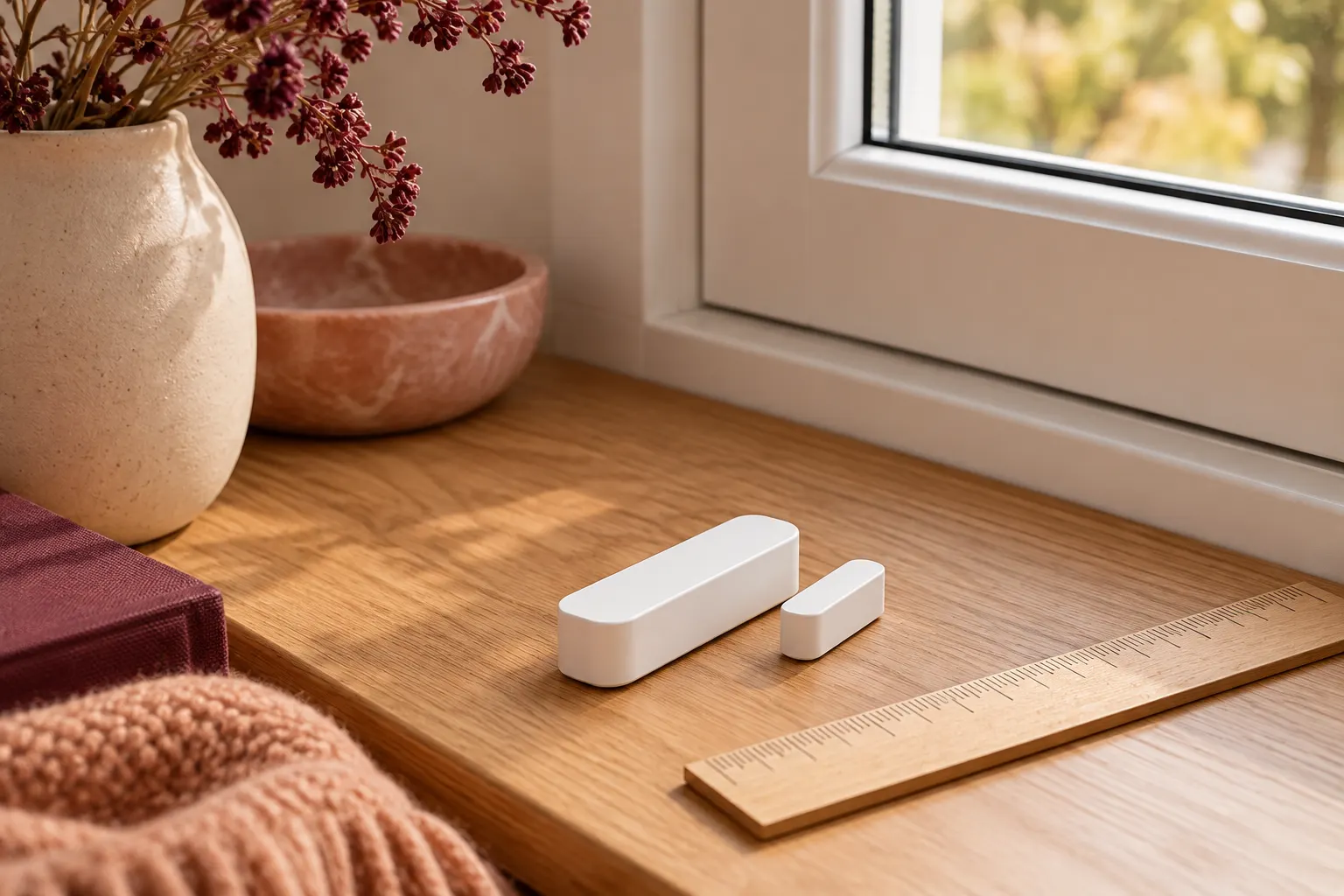
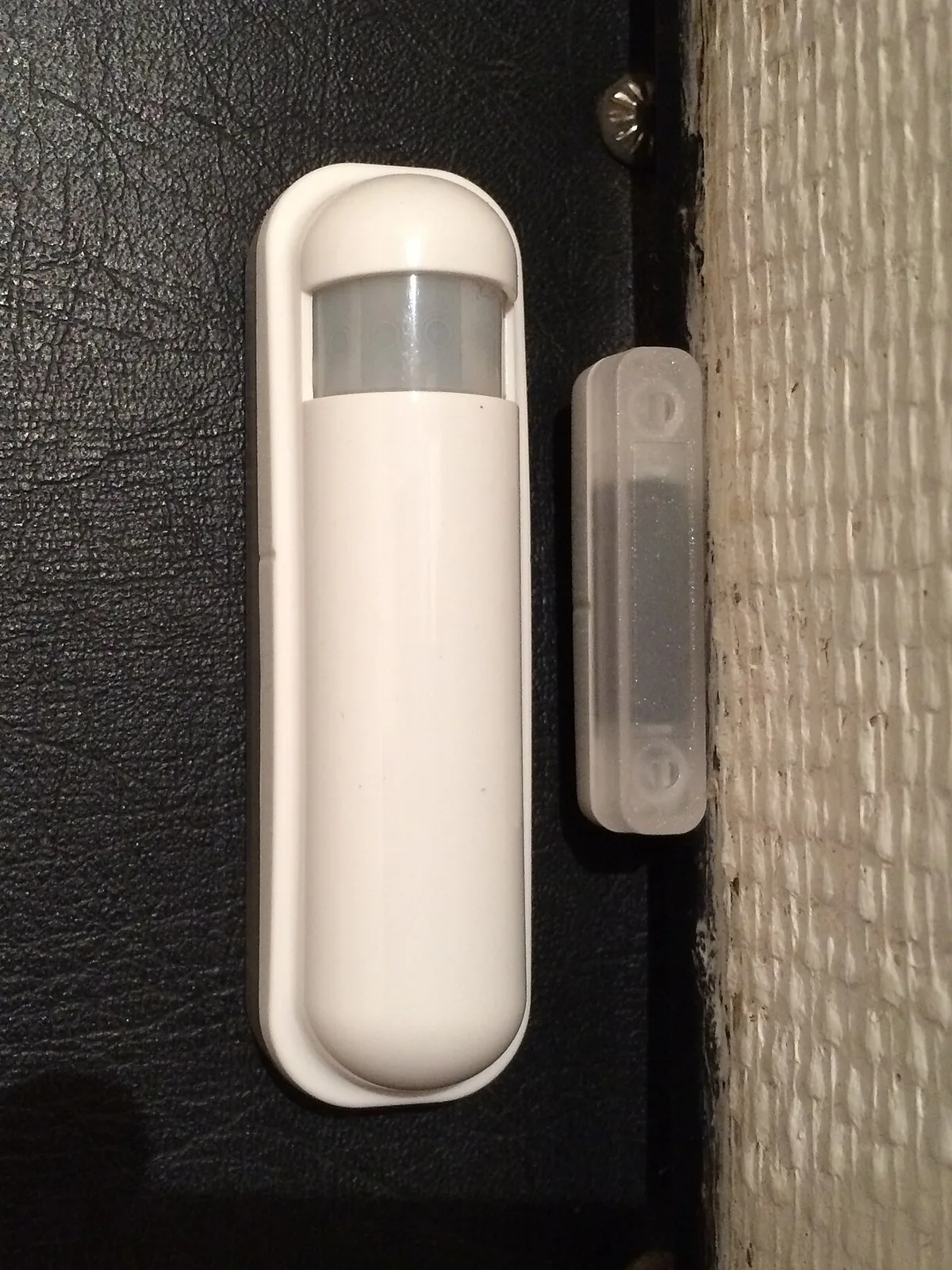
TP-Link's Tapo T110 v1.20 Australian page warns that the sensor operates in its specified Sub-1G band and that the intended devices and hubs must use compatible regional bands. A familiar product name therefore does not establish that an imported sensor is interchangeable with a locally documented version. Record the exact model, hardware version and region before comparing prices. The archive door photograph shows a different combined detector, not the T110; it demonstrates why an enclosure's appearance cannot provide the regional radio evidence needed for this decision.
Tapo T110 v1.20 AU regional warning ? Tapo T110 AU contact sensor ? Tapo T100 V1.2 AU ?
Read the frequency field in its page context
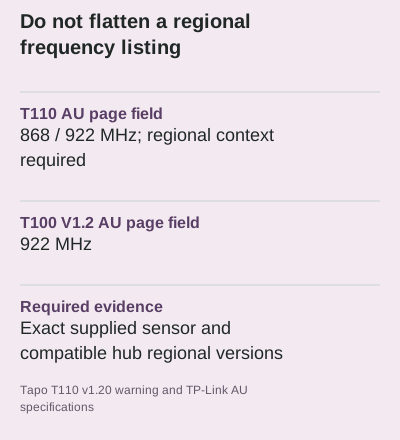
The Australian T110 specification page lists 868 / 922 MHz, while the T100 V1.2 Australian page specifies 922 MHz. Do not interpret a slash-separated regional listing as a promise that every individual T110 can switch freely between both bands. The version warning is relevant precisely because the actual supplied unit matters. Ask for the exact regional specification attached to the seller's model and the hub intended for it. A frequency entry is one requirement, not complete proof of supported pairing, software features or lawful use of an imported device.
Use dimensions to spot a different device, not a radio version
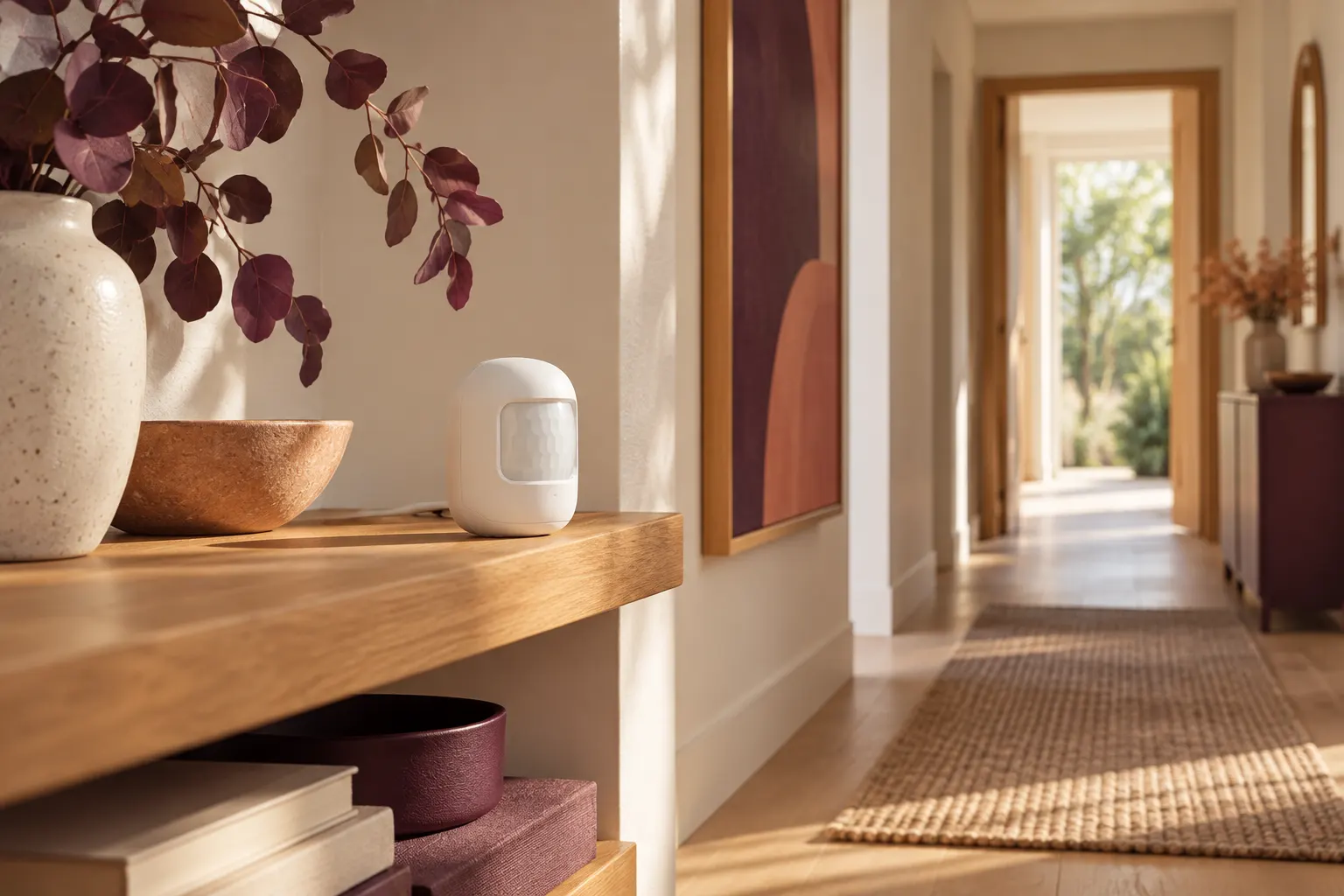
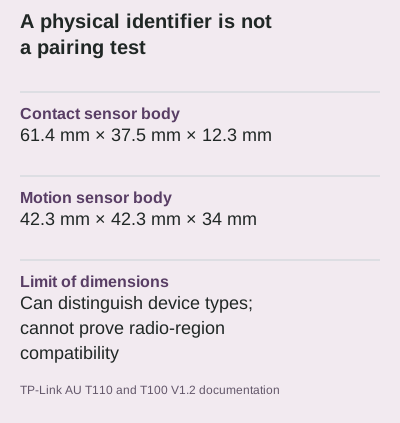
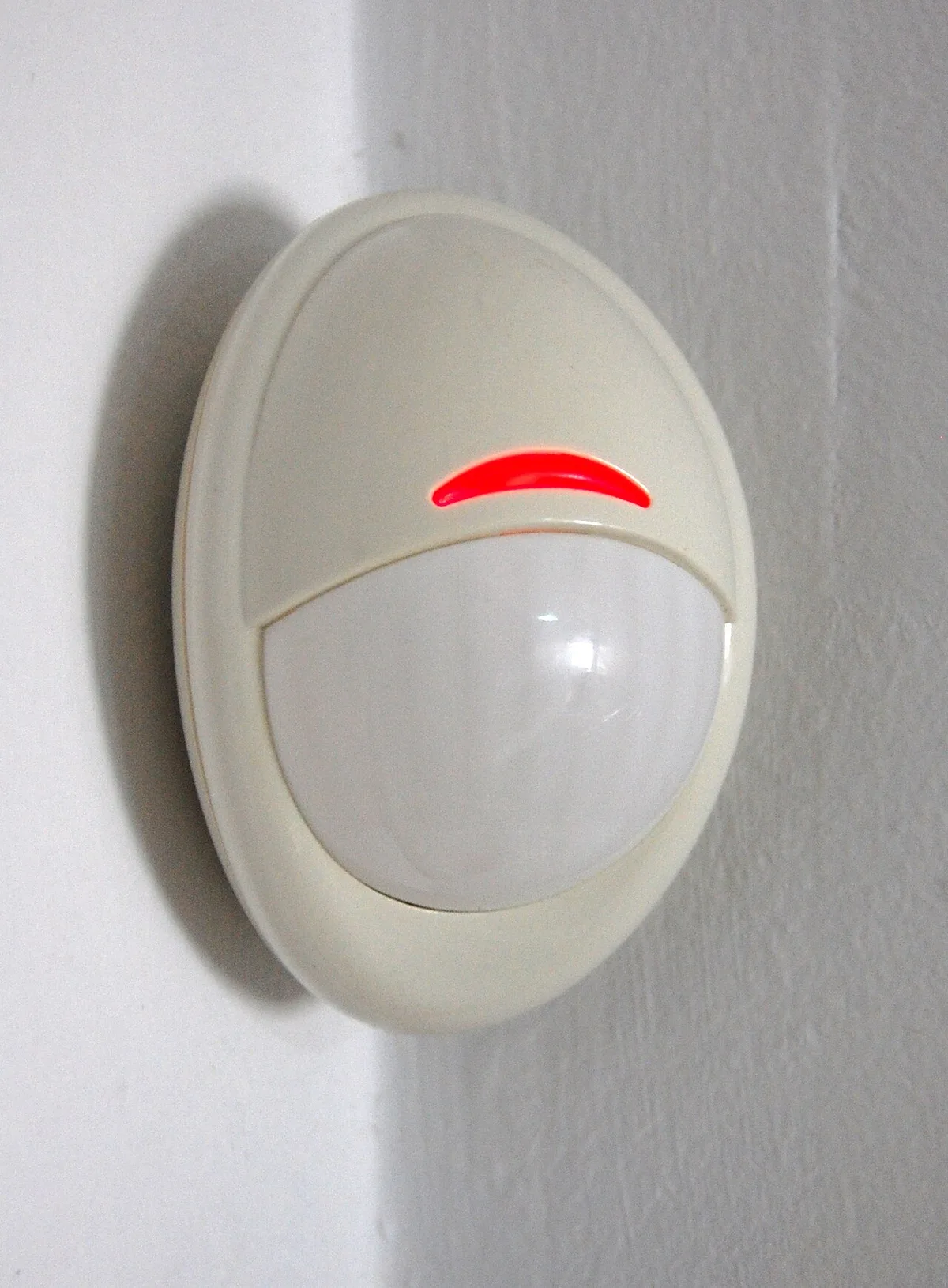
The T110 body is listed at 61.4 mm high, 37.5 mm wide and 12.3 mm deep. The T100 motion sensor is a different device, with a 42.3 mm by 42.3 mm by 34 mm body. These records help prevent confusing a contact sensor with a motion sensor in a mixed shortlist. They do not identify a radio region by themselves. The Visonic motion-detector photograph is another clearly labelled product, included to distinguish sensing hardware rather than to suggest any shared compatibility with the Tapo devices.
Keep a compatibility statement narrower than its evidence
A useful confirmation names the exact sensor version, exact hub and supported regional combination. A generic claim that a product works with a brand's app leaves important details unanswered. Equally, sharing a frequency value is not a substitute for the manufacturer's compatibility information. Keep the seller's answer or official model reference in the purchase file so it can be checked against the supplied item. Do not turn a successful pairing report for somebody else's hardware generation into a universal guarantee. This guide records the questions and documentation; it does not claim to have performed a pairing test.
Compare the complete regional purchase
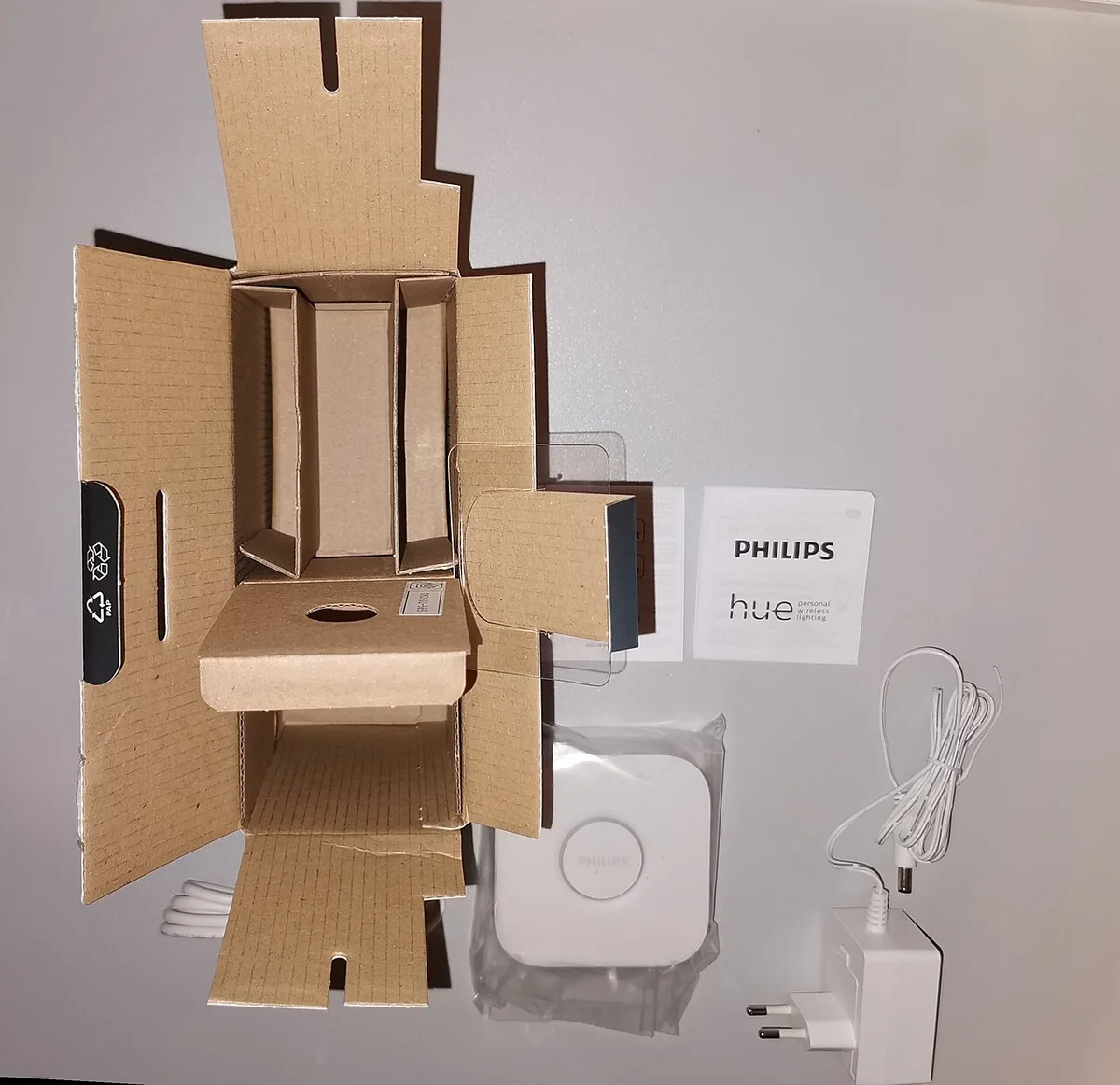
The archive package photo includes a European power adapter, making the regional distinction tangible. It is not the Australian kit offered by a seller and is not a suggestion to use an adapter to solve compatibility. Compare the exact sensor, required hub, appropriate supplied power equipment, support arrangements and delivered quotation together. Mark any unresolved regional mismatch before purchase instead of treating a low item price as the whole result. If a seller cannot identify the version, the shortlist remains incomplete. A documented regional match reduces ambiguity, but it still does not certify radio coverage, notification delivery or every automation feature in your home.
Open official model documentation ? Open official model documentation ? Open official model documentation ?