Keep the Australian plug rating beside the appliance record
Keep regional load ratings separate from appliance requirements and running-cost estimates when comparing a smart plug.
Updated:
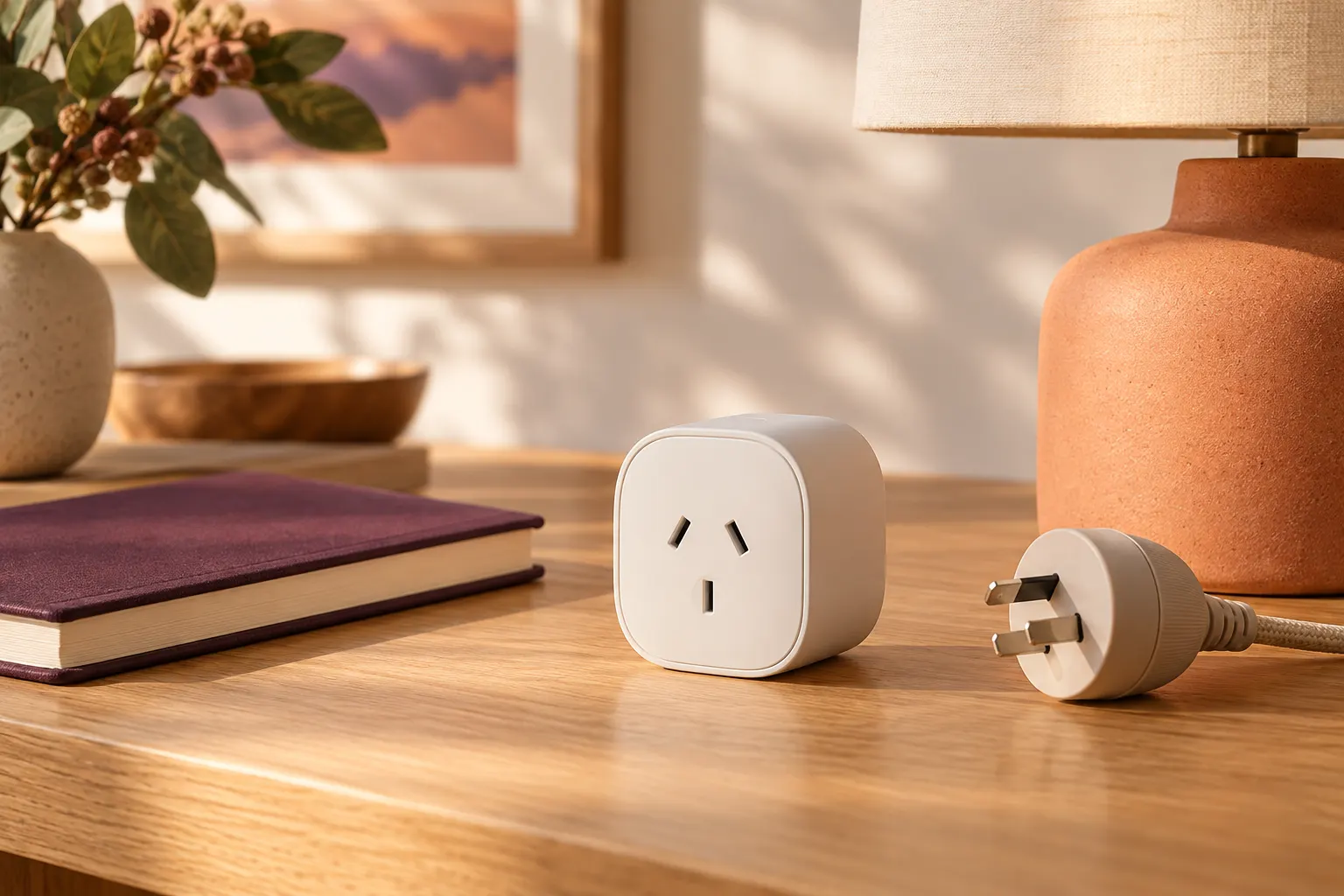
Copy the Australian rating, not a foreign listing
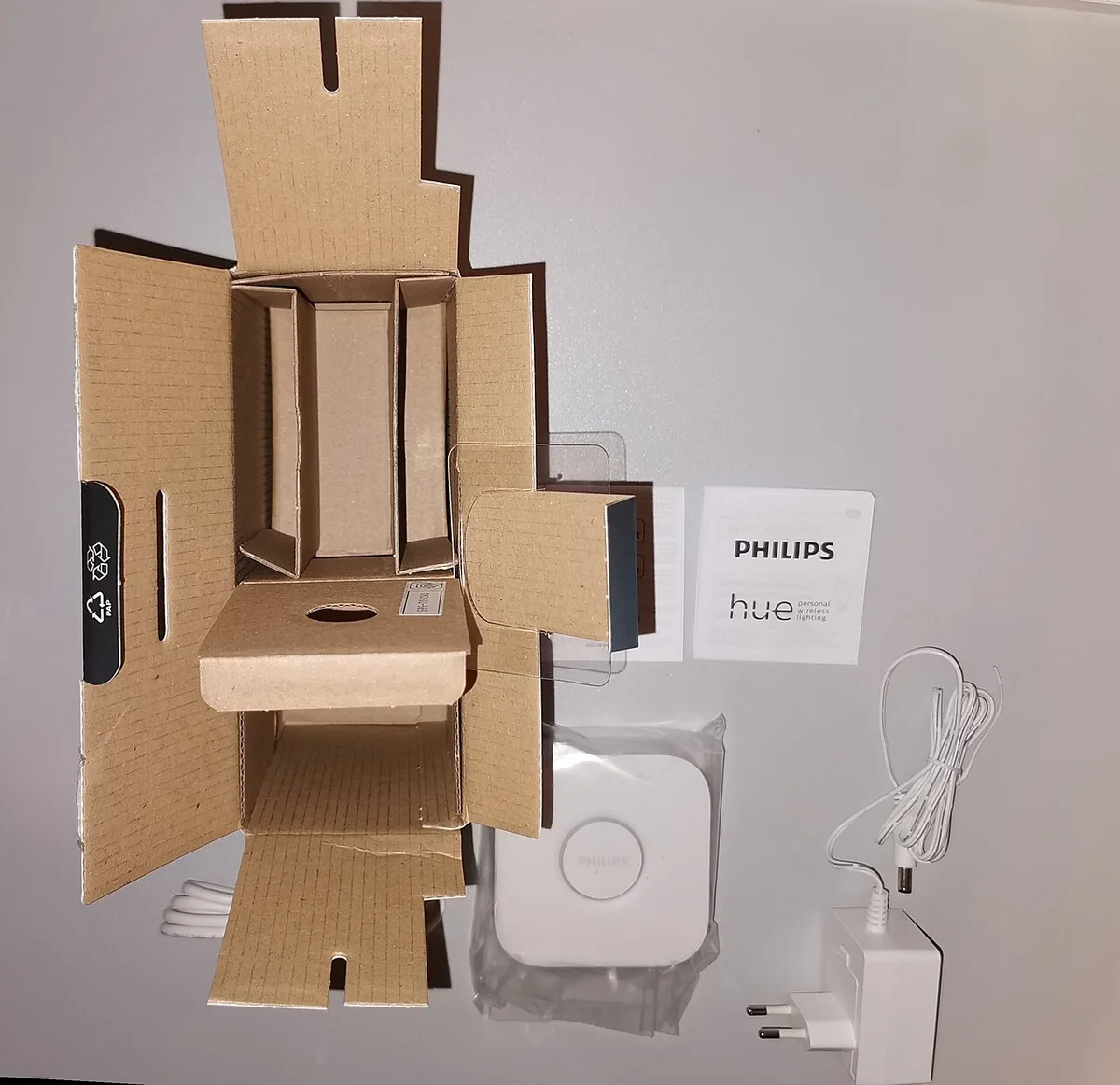
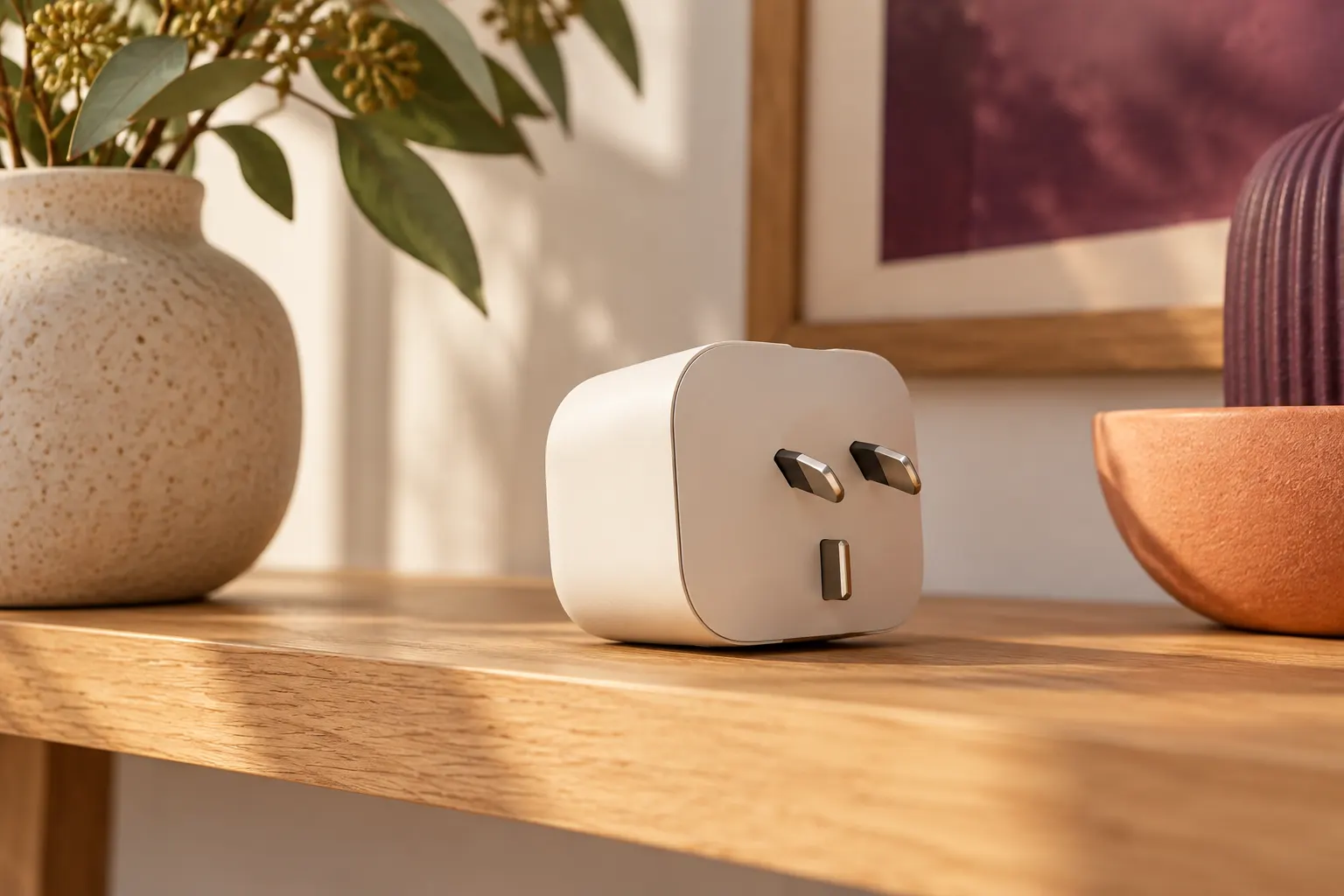
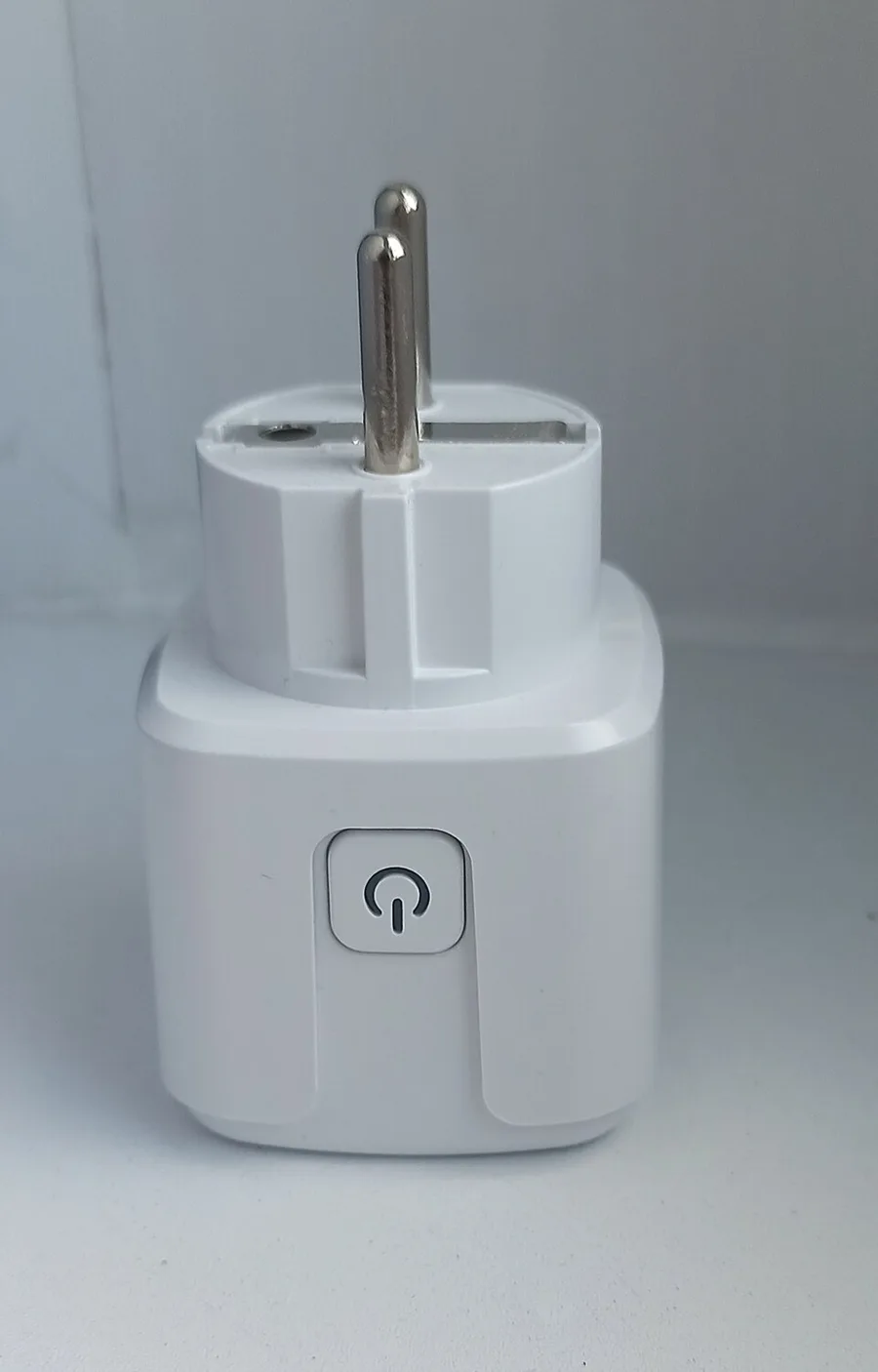
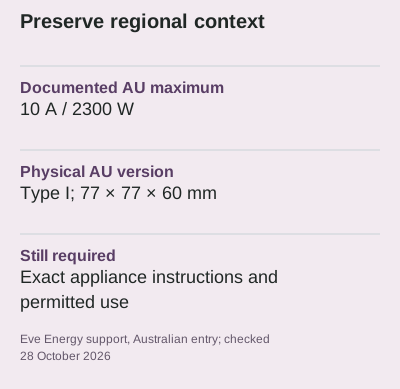
Eve's global support page has region-specific entries. Its Australian entry gives a maximum 10 A and 2300 W for Eve Energy. Preserve the AU heading with those numbers so they cannot be confused with another country's version. These are manufacturer limits for the documented product, not a recommendation that any appliance below a wattage figure is suitable. The archived photograph shows a European smart plug from another manufacturer; it makes the physical product category visible while deliberately providing no evidence for the Australian rating or the appliance combination you are considering.
Eve Energy AU entry in global support document ? Australian Government smart-home energy guidance ?
Keep appliance information in a different field
Make a record with the exact smart-plug model and generation in one column and the appliance model and its instructions in another. Copy the relevant appliance requirements from its own documentation rather than guessing from appearance or a nominal operating figure. The product instructions, load type and permitted use matter alongside a maximum rating. Do not use this article to justify switching equipment whose safe operation depends on supervision or a particular startup procedure. A missing appliance requirement remains unresolved; it is not equivalent to zero consumption or permission to use an automated control.
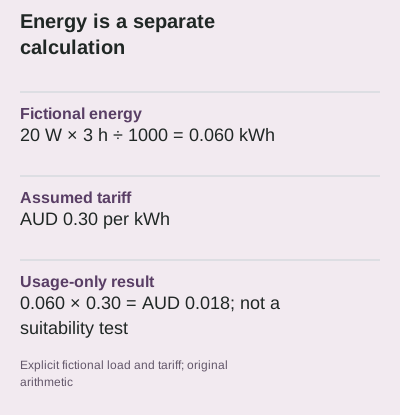
Distinguish capacity from energy arithmetic
A maximum wattage is not the amount of electricity consumed all day. For a purely fictional arithmetic example, a constant 20 W load operating for 3 hours uses 20 × 3 ÷ 1000 = 0.060 kWh. At an assumed AUD 0.30 per kWh, its usage cost is AUD 0.018. This example explains units only and does not endorse a load or state its measured consumption. Separately account for the smart device's own documented or measured standby use. The Australian Government's smart-home guidance cautions that automation equipment itself adds consumption; savings are not automatic.
Avoid an apparent spare-wattage guarantee
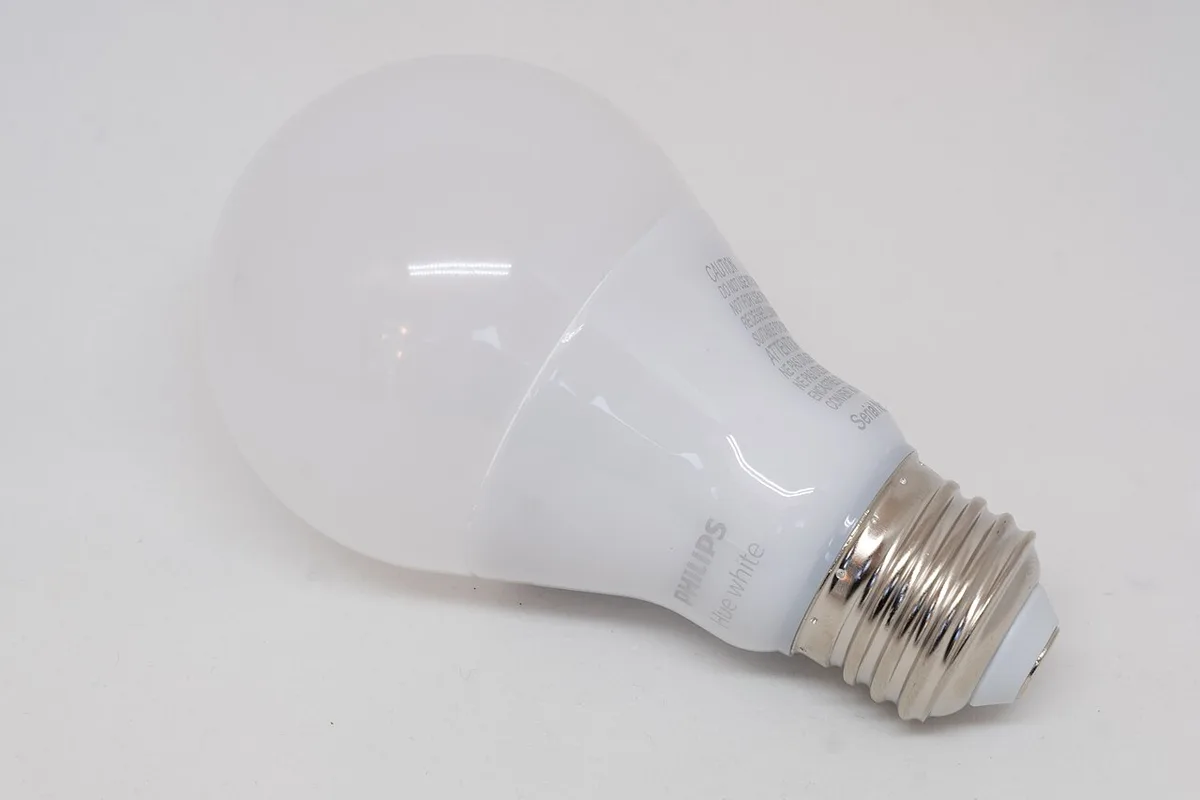
Subtracting an assumed appliance figure from 2300 W would create an arithmetic difference, but it would not certify a suitable switching load, startup behaviour or safe operation. Do not turn that difference into a green-light indicator. The bulb photograph illustrates a light source with its own power specification, while the package photograph shows why regional hardware and instructions need preserving. Neither supports combining arbitrary devices or substituting a foreign-region product. Keep the exact manufacturer wording available instead of reducing the decision to a single reassuring number or a picture of a similar enclosure.
Keep the final record narrow enough to trust
The completed entry should identify AU product documentation, the appliance information, the intended action and any unanswered suitability questions. It can also store a separate usage-cost scenario with explicit power, hours and tariff assumptions. If the documentation does not support the intended combination, leave it off the confirmed shortlist until the manufacturer or appropriate qualified route resolves that question. Do not use a cost estimate as evidence of electrical compatibility. Recording the limits accurately is useful precisely because it separates what the document states from what you have not tested or established in the actual home.
Open official model documentation ? Open official model documentation ?